Qupil
... to the download page for Qupil, an exceptional Windows 10 software developed by the talented Felix Hammer. Qupil is a versatile and user-friendly application designed ...

Enterprise Architect is a visual modeling and software design tool for developers, architects, analysts, and project teams. It supports UML, use case, logical, dynamic, physical, process, and data models, linking diagrams with code and documentation. Supported editions generate and reverse engineer source code, transform platform-independent models into implementation designs, and engineer database schemas to or from DDL and ODBC sources.
| Author: | Sparx Systems Pty Ltd |
| License: | Trialware |
| Price: | $135.00 |
| Released: | Sep 26, 2023 |
| File size: | 217.00 MB |
| Downloads: | 288 |
| Keywords: | reverse engineer source code, Windows 10 software, system modeling tool, UML, document generator, Sparx Systems Pty Ltd, generator, UML design, software architecture modeling, Enterprise Architect, software review, UML analyzer, generate, code generation software, model driven architecture, uml modeling tool, x64 application, database modeling tool |
| Author URL: | http://www.sparxsystems.com/ |


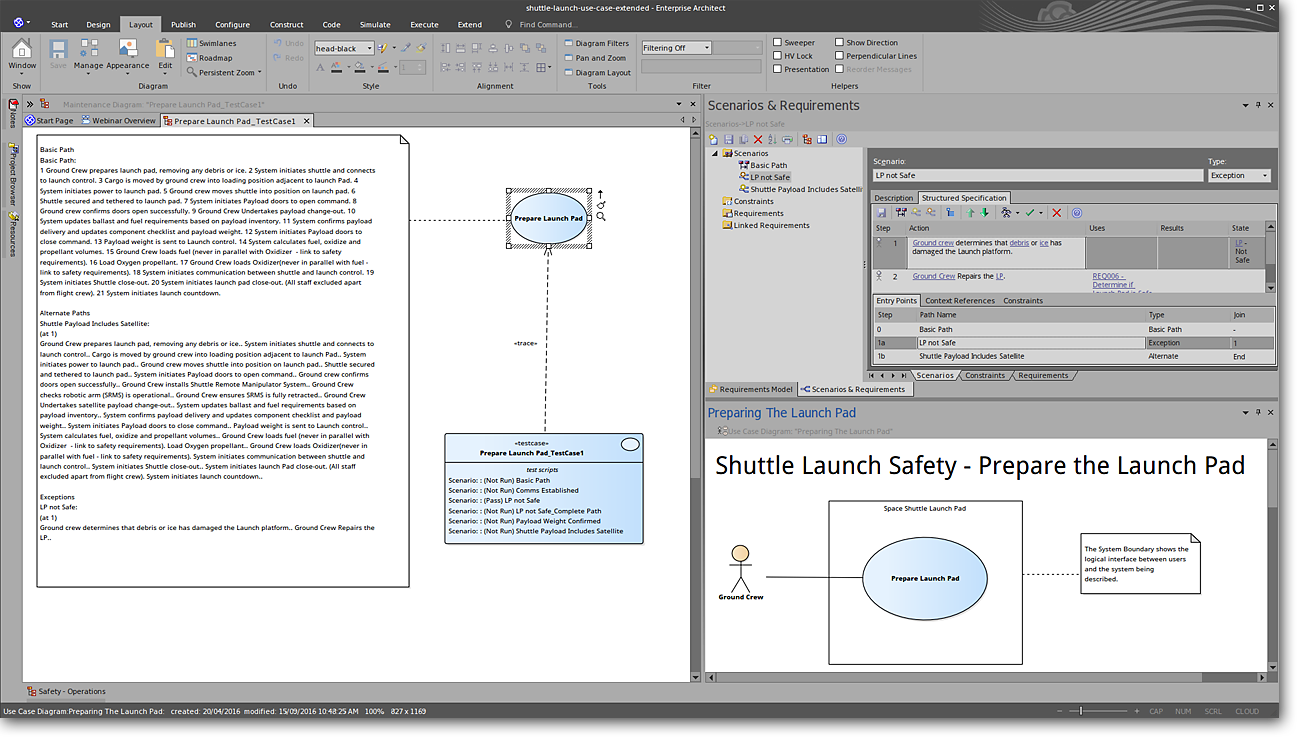


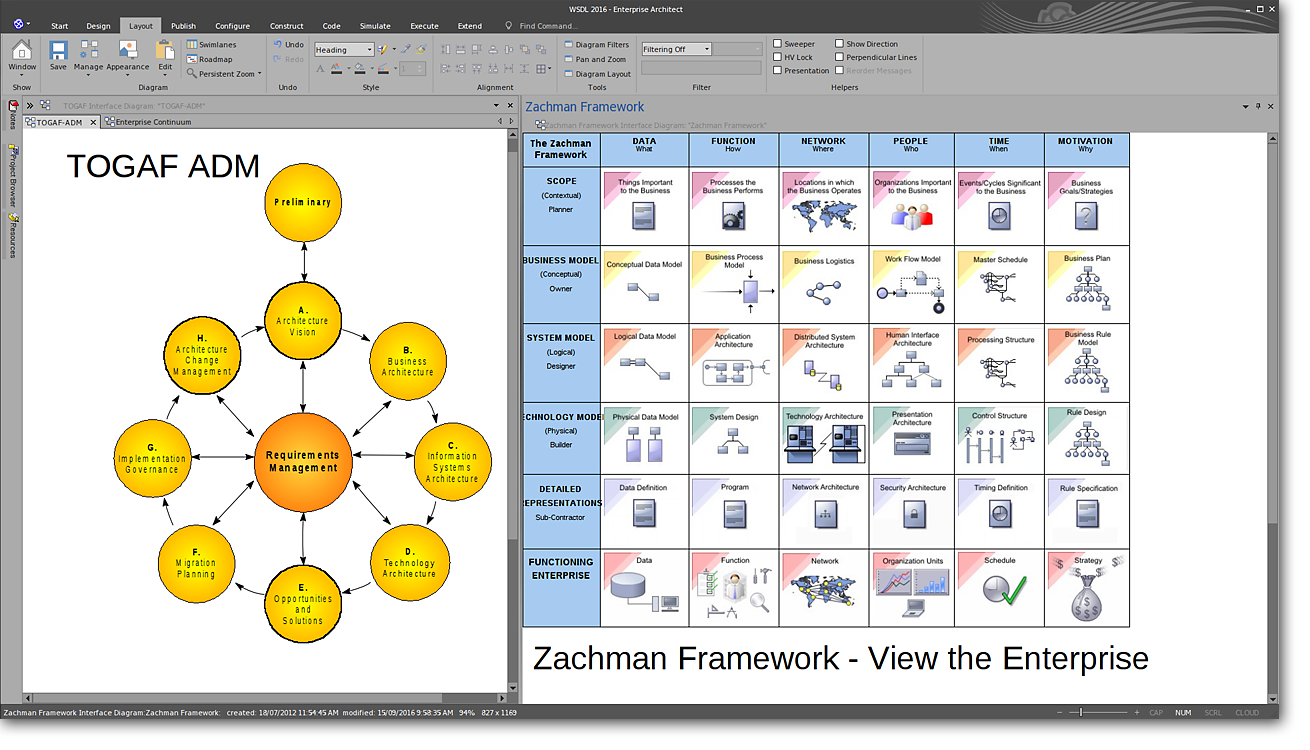


Enterprise Architect is a visual modeling and software design environment for developers, architects, analysts, and teams that need to describe systems and carry designs through implementation. It supports UML modeling alongside business process, data, and other custom models, helping teams document how an application is structured and how its parts behave. Diagrams can represent use cases, logical structures, dynamic interactions, and physical designs, giving projects a shared visual reference from early analysis through development.
The program connects models with source code through forward generation and reverse engineering. In supported editions, it can generate code for languages including Java, C++, C#, Delphi, Visual Basic, VB.Net, Python, ActionScript, and PHP, with customizable templates for adapting generated output to coding conventions. Reverse engineering can turn existing source into model elements, making it easier to inspect unfamiliar projects or keep diagrams aligned with implementation. It can also import frameworks and libraries from source code, Java archives, and .NET assemblies for analysis and reuse.
Database modeling tools support design and forward engineering to DDL, as well as reverse engineering from ODBC-accessible databases. Model Driven Architecture transformations can translate platform-independent models into platform-specific models, with built-in transformations for technologies such as Java, C#, EJB, XSD, and DDL. XMI import and export allows model information to be exchanged with compatible tools. A syntax-highlighting source editor helps users inspect code alongside the associated model, while documentation generation produces material that can be used in Microsoft Word. Spell checking is available for model text and documentation.
Enterprise Architect is used to plan new applications, document existing systems, explore database schemas, and coordinate design with implementation. Teams can use models to communicate requirements and architecture, examine dependencies in legacy software, or derive multiple implementation designs from a shared conceptual model. Multi-user collaboration is available in Professional and Corporate editions; code engineering features are also edition-dependent. Optional bridges connect the modeling environment with Eclipse and Visual Studio .NET workflows.
The software is trialware for Windows, with support listed for Windows Vista through Windows 11, including 64-bit editions where applicable. The available features depend on the edition, particularly for code engineering and multi-user work. Its broad modeling and engineering toolset is suited to projects that benefit from maintaining diagrams, documentation, database designs, and code-related workflows in one environment.