Lucid Scribe for Windows 10 - Full description
Lucid Scribe is a Windows utility for people interested in tracking eye movements during sleep and reviewing computer processor activity. It records eye-movement data for later inspection, with the aim of helping users identify periods associated with REM sleep and estimate when dreaming may have begun. It is an observational tool rather than a medical sleep monitor, so its recordings are best treated as material for personal study rather than a diagnosis.
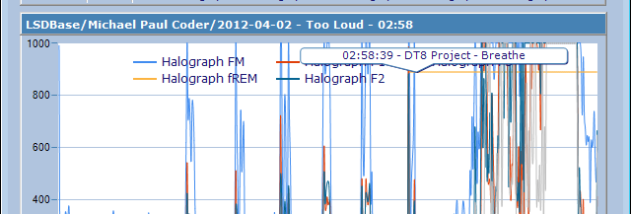
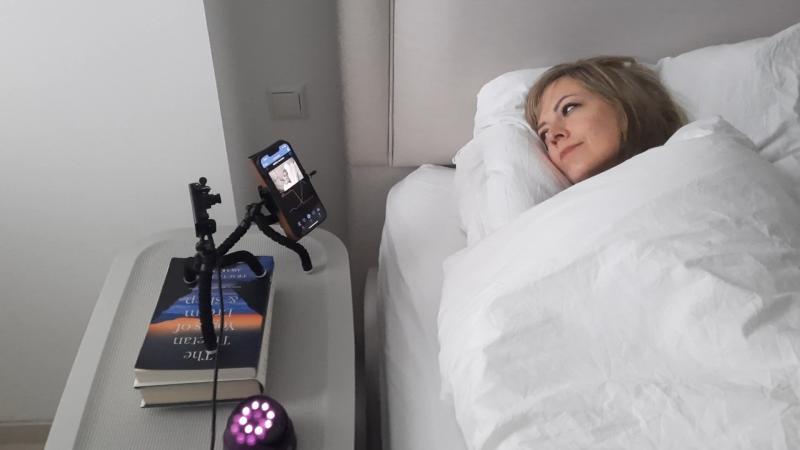
For sleep tracking, the application captures eye movements while the user sleeps and preserves the data for review afterward. Looking at the recorded activity can help users compare patterns across a night and consider when REM-related movement may have occurred. The program is intended for sleep observation and study; the supplied feature information does not identify a particular sensor or explain a setup procedure, so users should check that their equipment and recording method are suitable before relying on the results.
Lucid Scribe also monitors CPU usage. A graph displays processor activity over time, making usage spikes easier to spot than by checking a single current reading. The application records this activity so it can be examined later, which can help identify periods when the processor was heavily used. This function is separate from sleep tracking and can also be useful when investigating computer workload.
The two forms of monitoring make the program relevant to people conducting informal sleep observations as well as users who want a record of CPU activity. Sleep recordings can be revisited after a night rather than watched continuously, while CPU history offers a way to inspect past load patterns. The program brings these records together in one analysis utility, though its sleep-related findings depend on the quality of the captured movement data and should not be interpreted as clinical conclusions.
Lucid Scribe is freeware and is available for Windows, including Windows 10 and Windows 11, as well as older Windows releases. Its functions focus on recording and reviewing eye movements and CPU usage; it is not presented as a general-purpose sleep-management or system-optimization suite.