OpenXava for Windows 10 - Full description
OpenXava is an open-source Java framework for building business applications, particularly enterprise systems that work with existing databases. It is intended for Java developers who want to create web applications from domain and persistence classes rather than hand-building every screen. Applications are defined with plain Java objects, JPA and annotations, using a business-component approach to organize the model and its user interface.
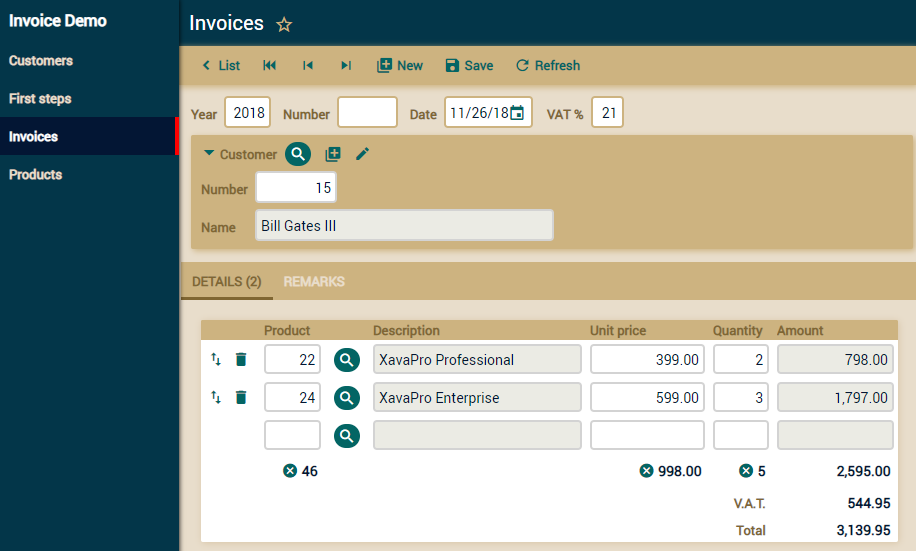
The framework generates the application interface at runtime from the model, so developers can change code and try the result without running a separate code-generation step. Its AJAX interface updates without reloading the whole page, supporting a more responsive workflow for data entry and business tasks. Generated screens can also be fine-tuned, allowing teams to adjust presentation while retaining the productivity of model-driven development.
For persistence, OpenXava supports JPA-based approaches, including Hibernate, as well as EJB2 CMP. It can work with legacy database schemas, which helps when an application must be built around established data rather than a newly designed database. Developers can add custom functionality at different points in the application, extending the framework when standard generated behavior does not fit a particular business process.
OpenXava applications can run on application servers such as Tomcat, JBoss and WebSphere. Modules also support the JSR-168 portlet standard and can be integrated into portals including Liferay, WebSphere Portal and Jetspeed. JasperReports integration provides a route for adding reports. These capabilities make the framework relevant to internal business applications, database-backed enterprise tools and portal-based systems.
The project is open source and provides documentation in several languages, with interface labels and messages available in multiple languages as well. OpenXava is a development framework rather than a standalone end-user application: using it requires Java development knowledge and a suitable Java application-server and persistence setup. Its model-driven workflow can help beginners get a working business interface quickly, while extension points and configurable presentation support more advanced development.